AI images with GPT Image — capabilities, modes and uses
What GPT Image is
GPT Image is the family of image generation models developed by OpenAI — the company behind ChatGPT and the DALL·E series. It is a multimodal model that turns a text description into an image and can edit an already existing photo according to an instruction in plain language. GPT Image builds on a language model, which helps it understand more descriptive and more complex requests.
The model became widely known through image generation in ChatGPT, where the user describes an idea in words and gets a finished visual. Its strong side is the link between language and picture: it does well with layered instructions, with the arrangement of the elements in the frame and — something that was a weak spot of AI generators for a long time — with spelling out legible text on the image itself.
On generiram, GPT Image is available through the AI Studio and covers two main scenarios: creating an image from text and editing an uploaded photo. That way one and the same model does the job both for completely new visuals and for precise changes to existing material.
Versions and options on generiram
At the moment GPT Image 2 is available on generiram — the current generation of the model — in two working modes:
Variant
Mode
What it does
GPT Image 2
Text to image
Creates a new image from a text description (a prompt) alone. A good fit when you are starting from an idea rather than from a finished file.
GPT Image 2
Image editing
Takes an uploaded photo and changes it according to a text instruction — adding, removing or altering elements, style or details, while keeping the rest of the frame.
Text to image
In this mode you describe the scene you want in words, and the model builds it from scratch. The clearer the description — object, surroundings, style, mood, composition — the closer the result is to the idea. The mode is handy for getting from concept to a finished visual quickly, with no source material needed.
Image editing
Here you upload an existing image and say in text what should change. The model tries to apply the change while keeping the context of the photo — the surroundings, the light and the composition. This suits targeted corrections on a particular shot, rather than generating an entirely new image.
Strengths
Legible text in the image. GPT Image is among the models that do well at spelling out captions, labels and short texts on the visual — often a weak spot for other generators.
Understanding complex instructions. Thanks to its language foundation the model follows more descriptive and layered prompts, including the arrangement of and the relationships between several elements in the frame.
Broad knowledge of the world. The model recognises many objects, styles and concepts, which makes it easier to describe scenes in everyday words.
Consistent editing. When changing an existing photo, it aims to keep the rest of the frame rather than rewriting the whole image.
Varied styles. From a photorealistic look to illustration and graphics — one and the same model covers a wide spectrum of visual styles.
What it is good for
Marketing and social media — visuals for ads, banners, posts and covers, including ones with text on the image.
Product and concept images — quick visualisations of ideas, products and scenes before the real production.
Illustrations and posters — where combining image and caption matters.
Photo editing — targeted changes, adding or removing elements and altering details on a particular shot.
Prototypes and mood board ideas — generating variants for direction and style at the start of a project.
How to start
GPT Image 2 is used through the genkiki.com AI Studio. Pick the GPT Image 2 model and the mode you need — text to image for a new image or image editing to change an existing one. Describe clearly what you want (and for editing, upload the photo you will work on) and start the generation. If the result is not exactly what you want, refine the description or the instruction and try again — a more specific prompt usually gives a result closer to the idea.
GPT Image 的模型 — 详解
哪个适合做什么、弱在哪里、不该拿来做什么。
GPT Image 2
照片→照片
画面比例: 1:1, 9:16, 16:9价格: 425 积分
擅长
Edits a photo with the same accuracy on LETTERING — around 99% correct typography, in foreign alphabets too
Takes up to 16 reference photos in a single request
It reasons before it touches anything — which is why it gets “change only this, leave the rest”
Native 2048 pixels on the output
Gives up to 8 versions of the edit in the same style
不擅长
A strict filter — it refuses edits with real people and brands
It smooths the style out: the original “grain” of the photo is lost
Expensive when you want many outputs
不要用它来做
Don't use it to edit a photo with a recognizable famous person
Don't use it when the exact texture of the original has to be preserved
Don't use it for ten tries in a row
典型用途
Change the text in a finished ad
Add or remove an element precisely
Make several variants of one shot in the same style
Editing from several reference photos
GPT Image 2
文字→照片
画面比例: 1:1, 9:16, 16:9价格: 425 积分
擅长
The most accurate with LETTERS: the maker states around 99% correct typography, and over 95% in other scripts (Chinese, Japanese, Korean, Hindi, Bengali, Arabic)
Native 2048 pixels, with anything larger still in testing — higher than most of the big models
It takes up to 16 reference photos in one request — the most among the leaders
The first with built-in REASONING: it thinks about the description before it draws, and that's why it catches complex conditions
Fast for its level — around 3 seconds, three to five times faster than its predecessor
It gives up to 8 shots in the same style from one description
不擅长
A strict filter: it refuses descriptions that other models let through — especially ones with real people and brands
“Cleaner” and more impersonal in style than the artistic models
4K is still in testing, it isn't guaranteed
Expensive when you want many outputs at once
不要用它来做
Don't use it when the description sits on the edge of the filter — you'll lose time on refusals
Don't use it for a markedly artistic or “dirty” style — it comes out too smoothed over
Don't count on 4K as a sure thing — it's still in testing
典型用途
A poster, packaging or a label with a lot of exact text
Text in Bulgarian or in another script inside the picture itself
A complex scene with the conditions described in detail
A series of shots in the same style for a campaign
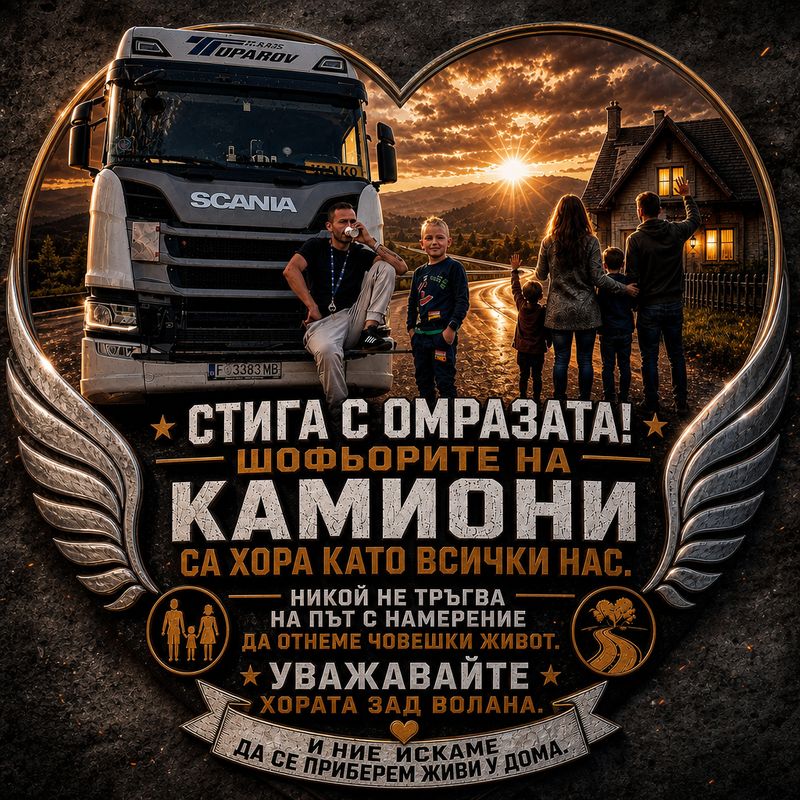
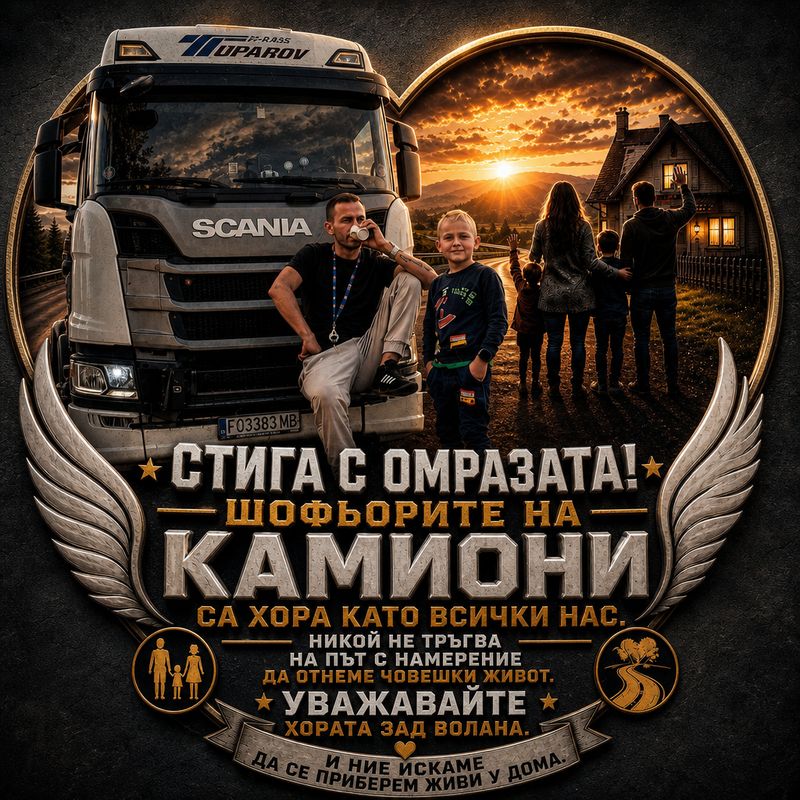
Искам да е направиш като 3d искам камиона и двете лица който се виждат на снимката някак да излизат извън сърцето все едно е 3D някак си, фотореалистичен стил
Искам да е направиш като 3d искам камиона и двете лица който се виждат на снимката някак да излизат извън сърцето все едно е 3D някак си, фотореалистичен стил